How to Prepare Your Water Heater For The Winter Months
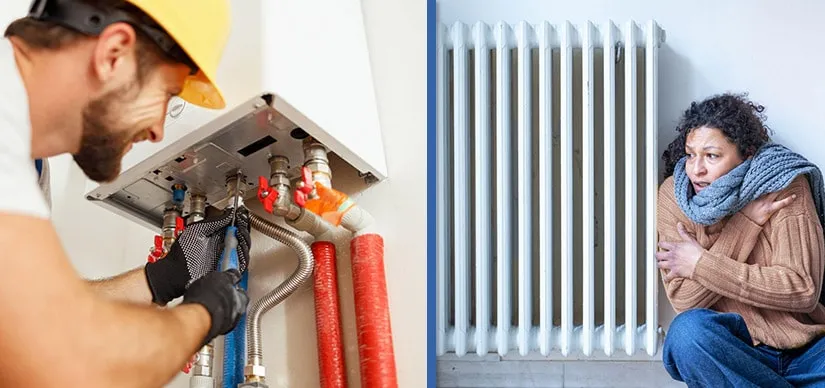
Checking the pressure relief valve, flushing sediment, insulating exposed pipes, and confirming the pilot light is reliable are the key steps to preparing a water heater for the winter months.
Test the Pressure Relief Valve
The temperature and pressure (T&P) relief valve is a safety device that releases pressure if it builds up too high inside the tank. Before winter demand increases, lift the valve's test lever briefly to confirm water flows out and then shuts off cleanly. If it doesn't respond, or it drips continuously afterward, have it inspected or replaced.
Flush Sediment From the Tank
Sediment settles at the bottom of a tank water heater over time and insulates the burner or heating element from the water above it, reducing efficiency and making the unit work harder right when you need it most. Draining a few gallons from the drain valve before winter clears loose sediment and helps the heater recover faster between uses.
Insulate Exposed Pipes
Pipes running through garages, crawl spaces, and other unheated areas are the most likely to freeze during a cold snap. Wrapping exposed hot and cold water lines in foam pipe insulation is inexpensive and significantly lowers the risk of a frozen or burst pipe.
Confirm the Pilot Light or Ignition System Works Reliably
Gas water heaters depend on a pilot light or electronic ignition to fire the burner. Before the season's first cold stretch, run the heater through a normal cycle and confirm it ignites consistently. A pilot that goes out repeatedly, or an igniter that clicks without lighting, is worth having checked before you're relying on it daily.
Conclusion
A short pre-winter checklist — relief valve, a sediment flush, pipe insulation, and a reliable pilot light — goes a long way toward avoiding a cold shower or an emergency repair mid-season. If your heater is already showing its age, take a look at our guide on extending a water heater's service life.
FAQs
Q1. Why does my water heater need extra attention before winter?
Colder incoming water temperatures make the unit work harder, and sediment, valve, or ignition problems that were minor in summer tend to surface once demand increases.
Q2. How much sediment flushing does a water heater need before winter?
Draining a few gallons from the tank until the water runs clear is usually enough for routine maintenance; a heavily scaled tank may need a full flush by a professional.
Q3. What happens if a pipe freezes?
A frozen pipe can crack or burst as the ice expands, leading to water damage once it thaws. Insulating exposed pipes ahead of a cold snap is far cheaper than repairing a burst line.
Category
Recent Posts
 5 Reasons Your Water Heater Isn’t Working and How San Diego Experts Can Help