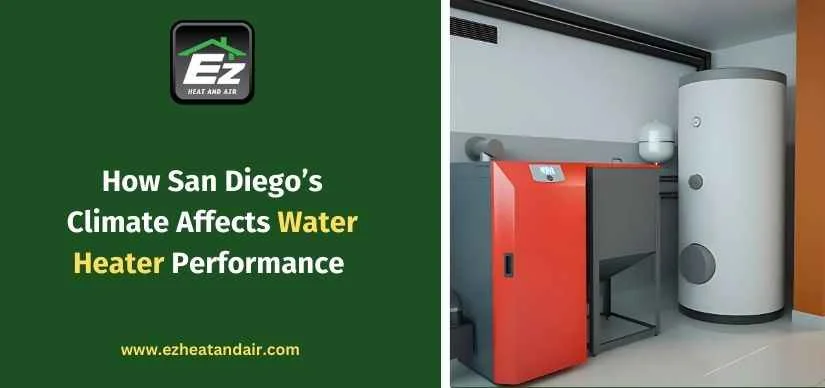
How San Diego's Climate Affects Water Heater Performance
The Effect of San Diego's Mild Winters on Water Heaters
- Less demand for excess heating
- Fewer chances of pipes freezing
- Lower chances of the system getting overworked
Hard Water and Its Effects on Water Heaters
- Tank mineral buildup — less heating efficiency
- Corrosion of heating elements with premature reaching of end of life
- Blocked pipes with reduced water pressure
High Water Demand in Summer Months
- Older water heaters may face a lot of stress.
- Hot water may take longer to recover between uses.
- More cycles mean higher energy bills.
Energy Efficiency Challenges in a Warm Climate
- Old, out-of-date models that use too much energy
- Heat loss due to poor insulation
- Heat loss while on standby in conventional tank water heaters
Salt Air and Corrosion Risks
- Rusting and deterioration of the tank
- Increased likelihood of heating element failure
- Increased susceptibility to leaks and failure
Choosing a Water Heater Suiting the Weather in San Diego
- Tankless Water Heaters — Easy on the energy bills and best suited for warm weather
- Solar Water Heaters — Good for the sunny weather in San Diego
- Hybrid Heat Pump Water Heaters — Uses ambient air for less energy usage
Signs of Replacement for a Water Heater
- The age of the unit is more than 10 to 15 years.
- You often run out of hot water.
- Your water has a rusty or metallic taste.
- You hear rumbling or banging noises from the tank.
- There are visible leaks around the unit.
Methods to Keep the Water Heater Operating More Effectively
- Flushing the tank once a year removes mineral buildup.
- Checking anode rods for signs of corrosion.
- Regular inspection for leaks and rust.
- Testing the pressure relief valve for safety.
- A water softener can be installed if you are having trouble with hard water.
Advantages of Expert Water Heater Installation
- Sizing to meet your household's requirements
- Venting and safety compliance
- An energy-efficient installation for your reduced utility bills
- Warranty protection that covers any problems that may crop up
Conclusion
FAQs
Q1. What is the average life of a water heater in San Diego?
Water heaters in Southern California usually last from 10-15 years, but high levels of hard water and coastal conditions lessen their intended lifetime. Proper maintenance can certainly help with longer life expectancy.
Q2. What is the best type of water heater for San Diego?
Tankless and solar water heaters are excellent candidates for San Diego, being energy-efficient and well-suited to warm climates with high water demands.
Q3. What can I do to avoid any harm caused to my water heater by hard water?
Installation of a water softener, yearly tank flushing, and processing for hard water conditions are effective ways to prevent mineral buildup, which will prolong the life of the water heater.
Q4. What strange noises is my water heater making?
Noisy water heater: Mostly, sediments drop off the bottom and build up inside the tank, reducing efficiency and wearing away the tank. Tank flushing can help in eliminating these disturbances.
Q5. Should you replace your water heater rather than repair it?
A new, energy-efficient water heater should be installed if the old one is over ten years old, leaking, and not heating water as effectively as it should.