
HVAC & Plumbing Tips from EZ Heat & Air — San Diego, Orange County & Riverside
Guides, repair tips, and maintenance advice from EZ Heat & Air's licensed technicians, covering heating, cooling, water heaters, and plumbing for homeowners across San Diego, Orange County, Riverside, and Los Angeles County.

Advantages of Switching to a Smart Thermostat in San Diego
Other than the simplicity in usage through the touch of a finger, convenience, efficiency and sustainability are the direct benefits of advanced technology. It is why smart devices are becoming an integral part of our daily lives. San Diego has been making the most of the smart thermostat. Typically, smart thermostats have good thermostat compatibility with HVAC systems and are thus more useful. With their multifaceted advantages, everyone is embracing this innovation with open arms. This blog explains the advantages of adopting a smart thermostat in San Diego's varied climate. It would help them figure out the usage of this device and how it effortlessly regulates and oversees their home heating and cooling systems. Comparing Conventional and Smart Thermostat Conventional thermostats and Smart Thermostats differ significantly in functionality and efficiency. Even one can easily see the prominent distinctions while considering smart thermostat installation. table { font-family: arial, sans-serif; border-collapse: collapse; width: 100%; } th{ padding:50px; background-color:#00800070; } td, th { border: 1px solid #dddddd; text-align: left; padding: 8px; } FeaturesConventional ThermostatsSmart Thermostats Thermostat Compatibility with HVAC System for Temperature ControlBasic control, often manual adjustmentsAdvanced features, learning algorithmsRemote AccessibilityNot availableRemote access through smart devicesIntegration with Smart HomesLimited or no integrationSeamless integration with smart home systemsAdaptability to User PreferencesLimitedAdaptive to user preferences for efficiencyProgrammabilityLimited programmabilityCustomizable schedules for personalized comfortEnergy Usage InsightsNo insights providedProvides insights for better energy managementCost SavingsStandard operationPotential for energy cost savingsTechnological SophisticationBasicAdvanced and sophisticated technology After careful consideration of the points mentioned above, one should contact HVAC thermostat replacement services while switching to a smart thermostat. 9 Advantages of Upgrading to a Smart Thermostat in San Diego1. Energy Efficiency and Cost SavingsEffective temperature control is necessary for a comfortable summer. San Diego has mild winters and warm, dry summers, which cause increased energy consumption. Due to this, the thermostat installation service in San Diego will provide you with advanced sensors and learning algorithms that can adapt to your daily routines and make real-time adjustments to optimize energy usage. Smart devices learn your temperature preferences, adjusting when you're away or asleep to save energy costs and promote environmental sustainability. 2. Climate AdaptabilitySmart thermostats offer several advantages in terms of climate adaptability, contributing to both energy efficiency and user comfort. These thermostats learn from your behavior, such as when you're typically at home or away, and adjust the climate control settings accordingly.Remote access allows real-time adjustments based on changing circumstances, such as unexpected weather or schedule variations. They also provide detailed insights into energy consumption patterns, contributing to cost savings and environmental sustainability. Smart thermostats with geofencing adjust the temperature based on users' location, optimizing energy usage when away and ensuring comfort upon return. 3. Remote Accessibility and ControlThe smart thermostat setup provides an impressive feature of remote accessibility. Your HVAC system can be managed from anywhere in the world using your smartphone or the web, which ensures optimal comfort and convenience.In the face of sudden weather shifts, this capability not only enhances convenience but also enables prompt responses. 4. Learning Capabilities and Smart AutomationSmart thermostats can understand the heating and cooling needs over time due to the machine learning abilities now. By assessing your behavior and habits, these devices generate customized schedules by adapting temperatures to match your routine. Enjoy an optimal temperature without repeated manual adjustments through the automation feature of this smart device. The capacity for learning not only increases convenience but also aids in energy conservation by preventing unnecessary heating or cooling. 5. Integration with Smart Home EcosystemsSmart homes allow different devices to connect and work together smoothly. Thermostats are connected to smart devices such as lights, security systems, and voice-activated assistants. By establishing a cohesive connection, various devices can communicate seamlessly, creating a unified system for enhanced efficiency and convenience in managing your home. This integrated approach enhances the overall experience. San Diego is a growing innovation hub and the residents are adapting to a more sustainable future. Professional thermostat installation is a step forward in the direction of smart home systems. 6. Environmental Impact and SustainabilityThe energy-efficient feature is one of the main contributors to sustainability. It helps individuals and communities a way to contribute to environmental well-being. Their ability to optimize heating and cooling is beneficial for minimizing unnecessary energy use, which helps meet San Diego's commitment to environmental conservation. 7. Utility Rebates and Incentive Programs With energy efficiency and financial benefits, smart thermostats are smart choices through utility rebates and incentive programs. The rebates are provided to the homeowners with smart thermostat installation. As these devices control heating and cooling systems and learn and adapt to individual preferences, along with reducing energy consumption, they have an important role in reducing utility bills. Incentive programs are a way to save money on smart thermostats, as these programs offer substantial upfront cost reductions. These programs not only offset the initial investment but also contribute to long-term cost savings. This is why thermostat replacement is an economically viable and attractive option for San Diego residents. 8. Enhanced Data InsightsSmart thermostats offer valuable insights into the heating and cooling habits of your home, helping you enhance your system for both comfort and energy efficiency. This data helps residents stay aware of their energy consumption habits. This information is also vital for individuals to strategically implement energy-saving measures while taking into account the equipment upgrades and overall home efficiency improvements. With the increased consciousness of sustainability in San Diego, detailed data can be well used and play an important role in bettering the environment. This energy use analysis by smart thermostats aligns perfectly with the city's commitment to fostering environmentally friendly living spaces. So, by contacting an experienced thermostat installation service in San Diego, one can get their homes equipped with these smart devices. 9. Increased Home Resale ValueFrom the benefit of better energy efficiency to enhanced comfort, residential thermostat installation plays a role in boosting the resale value of your home. Smart technologies are attractive to potential buyers who are also looking for modern and convenient homes. These devices are valuable assets for energy optimization and appeal to environmentally conscious individuals and those seeking cost-effective solutions. New thermostat installation contributes to a home's market prospects, potentially boosting resale value by adding sophistication and appeal for prospective buyers. Thanks to their modern features and energy-saving benefits, your property stands out, potentially leading to a higher sale price. Conclusion Through the details of the benefits of having a smart thermostat in your home, one can now make an informed decision. As San Diego homeowners embrace innovation and sustainable living, they also get the advantage of energy efficiency, cost savings, climate adaptability, remote accessibility, integration with smart home ecosystems, environmental impact, utility incentives, data insights, and increased home resale value. When thinking about incorporating this device into your San Diego home, it's crucial to assess thermostat compatibility with HVAC systems. The adoption of smart home technology should not just be a trend. It should also be a conscious step towards achieving enhanced efficiency, comfort, and environmental consciousness.

Optimizing Comfort: Water Source Heat Pumps for Efficient Cooling and Heating Solutions in San Diego
In modern HVAC technology, heat pumps stand out as innovative solutions for heating and cooling homes efficiently. In San Diego, where climate control is crucial for year-round comfort, understanding the conditions of water source heat pump services becomes essential. Whether you're considering installation, repairs, or maintenance, exploring the world of heat pumps can significantly enhance your living experience. This blog can help you understand the geothermal heat pump services while highlighting various types. Everything about Heat Pump Water Heater Services Heat pumps are versatile systems that heat and cool your home by transferring heat between indoor and outdoor environments. They operate on the principle of moving heat rather than generating it, making them highly energy-efficient alternatives to traditional heating and cooling systems. In San Diego's moderate climate, where winters are mild and summers are warm, heat pumps offer an ideal solution for maintaining comfortable indoor temperatures year-round. Types of Heat Pumps For Your Understanding1. Water Source Heat Pumps: A water source heat pump utilizes water as a heat exchange medium. They extract heat from a water source, such as a lake, pond, or well, to provide heating in the winter and can reverse the process to provide cooling in the summer. In San Diego, where access to water sources like the Pacific Ocean or underground aquifers is abundant, water source heat pumps present an efficient and sustainable option for climate control. 2. Geothermal Heat Pumps: A geothermal heat pump harnesses the consistent temperature of the earth's subsurface to heat and cool homes. By circulating a fluid through underground loops, they extract heat during the winter and release it during the summer. In San Diego, where geothermal energy is readily accessible due to the region's geological composition, geothermal heat pumps offer homeowners a reliable and eco-friendly heating and cooling solution. 3. Heat Pump Water Heaters: A heat pump water heater uses ambient air to heat water for domestic use. Transferring heat from the surrounding air to the water in the tank consumes significantly less energy than traditional water heaters. In a city like San Diego, where water conservation and energy efficiency are priorities, heat pump water heaters can help households reduce their utility bills while minimizing their environmental impact. 4. Heat Pump Boilers:Heat pump boilers are a variation designed specifically for providing hydronic heating. They operate similarly to other heat pumps but are tailored to work with radiant heating systems, delivering consistent warmth throughout the home. In San Diego, where radiant floor heating is a popular choice for comfort, heat pump boilers offer an efficient and effective heating solution. 5. Water Loop Heat Pumps: A water loop heat pump utilizes a closed-loop piping system to transfer heat between the building and a water source, such as a nearby lake or pond. They provide individualized climate control for different zones within a building while maximizing energy efficiency. In San Diego's urban environment, water loop heat pumps can be integrated into commercial and residential buildings, offering customizable comfort solutions. Heat Pump Processes in San Diego along with Tools1. Installations: Whether you're upgrading your existing HVAC system or building a new home, professional installation of a heat pump water heater is crucial for optimal performance and efficiency. a. Assessment and Planning:HVAC technicians begin by assessing the property to determine the best location for the heat pump unit.They consider factors such as available space, proximity to electrical connections, and compatibility with existing HVAC systems.Planning involves selecting the appropriate type and size of heat pump based on the property's heating and cooling needs.b. Preparation:Before installation begins, technicians gather the necessary tools and equipment.This may include power drills, wrenches, refrigerant gauges, tubing cutters, and electrical testing equipment.c. Installation:Technicians install the indoor and outdoor components of the heat pump system according to manufacturer specifications.This involves mounting the outdoor unit on a stable surface, connecting refrigerant lines, and securing electrical connections.Indoor components, such as air handlers or ductwork modifications, are installed to distribute conditioned air throughout the property.d. Testing and Calibration:Once the installation is complete, technicians test the system to ensure proper operation.They check for refrigerant leaks, verify electrical connections, and calibrate thermostats for accurate temperature control.Testing may also involve running the heat pump through heating and cooling cycles to confirm performance.2. Repairs: Like any mechanical system, heat pumps may encounter issues over time, such as compressor failures, refrigerant leaks, or electrical malfunctions. Prompt repair services are essential to restore functionality and prevent further damage. In San Diego, HVAC technicians have the expertise and tools to diagnose and repair heat pump problems efficiently, ensuring minimal disruption to your comfort. a. Diagnosis: When a heat pump malfunctions, technicians begin by diagnosing the problem. This may involve conducting visual inspections, performing system tests, and using diagnostic tools to identify the root cause of the issue. b. Repair or Replacement: Depending on the nature and severity of the problem, technicians may repair or replace faulty components. Common repairs include fixing refrigerant leaks, replacing defective compressors or valves, and repairing electrical connections. c. Testing and Verification: After completing repairs, technicians test the system to ensure that the issue has been resolved. They may also conduct additional checks to verify proper system operation and performance. 3. Maintenance: Regular maintenance is key to prolonging the lifespan of your heat pump water heater and maximizing its efficiency. In San Diego's climate, where heat pumps often operate year-round, scheduling seasonal maintenance appointments is crucial for keeping your system in top condition. From cleaning coils to checking refrigerant levels, proactive maintenance helps prevent breakdowns and ensures optimal performance when you need it most. a. Cleaning and Inspection: Regular maintenance involves cleaning and inspecting various components of the heat pump system. Technicians clean evaporator and condenser coils, replace air filters, and remove debris from outdoor units to optimize airflow. b. Refrigerant Check: Maintenance tasks include checking refrigerant levels and inspecting for any leaks. Technicians may add refrigerant if levels are low and repair leaks to prevent further loss. c. Electrical Testing: Technicians test electrical connections, controls, and safety switches to ensure proper function and safety. d. System Calibration: Maintenance includes calibrating thermostats and control settings for optimal performance and energy efficiency. 4 Tools Used:a. Power Drills and Drivers: Used for mounting components and making holes for piping and wiring. b. Wrenches and Screwdrivers: Essential for tightening bolts, nuts, and screws during installation and repair. c. Refrigerant Gauges: Used to measure and monitor refrigerant pressure levels during installation, repair, and maintenance. d. Tubing Cutters: Used to cut copper tubing to the appropriate lengths for refrigerant lines. e. Electrical Testing Equipment: Includes multimeters and voltage testers for checking electrical connections and circuits. f. Vacuum Pump: Used during installation and repair to remove air and moisture from the refrigerant lines. g. Manifold Gauge Set: Used to measure pressure and temperature of refrigerant in the system. h. Coil Cleaning Tools: Brushes and fin combs for cleaning the evaporator and condenser coils during maintenance. In San Diego, where comfort meets sustainability, heat pumps emerge as indispensable HVAC solutions. Whether you're considering a water source heat pump, geothermal heat pump, heat pump water heater, heat pump boiler, or water loop heat pump, professional services are essential for installation, repairs, and maintenance. By partnering with knowledgeable HVAC providers, San Diego residents can unlock the full potential of heat pump technology, enjoying efficient climate control tailored to their unique needs and preferences.

Spring Cleaning For Your AC Unit: Why a Tune-Up Should Be On Your Checklist
Many homeowners are beginning to think about spring cleaning as the weather warms up and the days lengthen. While you might be concentrating on organizing and deep cleaning your house, you shouldn't forget about your air conditioner. We'll look at why an AC tune-up in San Diego should be on your spring cleaning to-do list in this article. There are many advantages to getting an AC tune-up, from lower energy costs to better air quality. Additionally, we'll go over when and how frequently you should get a tune-up as well as how to pick the best HVAC technician. A tune-up for your air conditioner can ensure that you're prepared for the upcoming hot summer, whether you live in San Diego or somewhere else. What is an AC Tune-Up? A complete maintenance service for your air conditioner is known as an AC tune-up. All of the parts of your air conditioning system will be inspected, cleaned, and adjusted by a qualified technician to ensure maximum performance. An AC tune-up may involve a variety of tasks, such as: Inspecting and cleaning the evaporator coilChecking and replacing the air filterChecking and adjusting refrigerant levelsInspecting and cleaning the condenser coilChecking and tightening electrical connectionsLubricating moving partsInspecting the blower motor and fan The exact tasks involved in an AC tune-up will vary depending on your specific unit and the technician performing the service. However, the overall goal is to ensure that your AC unit is clean, well-maintained, and operating efficiently. Why an AC Tune-Up Should Be on Your Checklist San Diego is known for its beautiful beaches, sunny weather, and warm temperatures, which means that air conditioning is a must-have for many residents. However, many homeowners forget about the importance of regular maintenance for their AC units. That's where an AC tune-up comes in. Getting a tune-up for your AC unit can help; Here are some reasons why an AC tune-up in San Diego should be on your checklist: Improved energy efficiency Regular AC tune-ups in San Diego help ensure that your system is running as efficiently as possible, which can help reduce your energy bills and save you money in the long run. Enhanced performance A well-maintained AC system will perform better and provide more consistent cooling throughout your home, keeping you and your family comfortable even during the hottest San Diego summers. Extended lifespan Regular tune-ups can help extend the lifespan of your AC system, allowing you to get more years of use out of it before having to replace it. Preventative maintenance AC tune-ups can help catch small issues before they turn into major problems, saving you money on costly repairs down the line. Better indoor air quality A clean and well-maintained AC system can help improve the air quality in your home, reducing allergens and pollutants and keeping your family healthy. Peace of mind Knowing that your AC system is in good working order can give you peace of mind and help you avoid unexpected breakdowns or malfunctions during the hottest months of the year. Lower Energy Bills When your AC unit is running efficiently, it uses less energy to cool your home, which can lead to lower energy bills. A well-maintained AC unit can save you anywhere from 5% to 15% on your cooling costs. Increased Comfort A well-maintained AC unit will also do a better job of keeping your home cool and comfortable. You won’t have to worry about hot spots or uneven cooling, and you’ll be able to enjoy a consistent, comfortable temperature throughout your home. Improved Air Quality When your AC unit is dirty or clogged, it can’t do as good a job of filtering out pollutants and allergens from the air. An AC tune-up in San Diego can help improve the overall air quality in your home, which is especially important if you or someone in your family suffers from allergies or respiratory issues. When Should You Get an AC Tune-Up? Spring is the perfect time to get an AC tune-up. This is because your AC unit has likely been sitting unused for several months, and it’s important to make sure it’s still in good condition before you start using it again. Getting an AC tune-up in San Diego during the spring will ensure that your unit is ready to go when you need it most, and it can help prevent breakdowns and costly repairs later on. How Often Should You Get an AC Tune-Up? Most experts recommend getting an AC tune-up once a year to ensure that your unit is running at peak efficiency and to catch any potential issues before they turn into major problems. However, the frequency of tune-ups can vary depending on factors such as the age of your unit, how often it’s used, and the manufacturer’s recommendations. It’s best to consult with a professional HVAC technician to determine how often your specific unit should be serviced. Choosing the Right HVAC Technician for Your AC Tune-Up To ensure that you get the most out of your AC tune-up in San Diego, it’s important to choose the right technician for the job. Here are some factors to consider when selecting an HVAC technician: Licensing and Certification It's important to choose an HVAC technician who is licensed and certified to work in your state. This means that they have the necessary training and expertise to provide reliable and high-quality service. Make sure to ask the technician for their license and certification information to confirm their qualifications. Experience Look for a technician who has experience working with your specific type of AC unit. This will ensure that they are familiar with the unique components and systems of your unit and can provide the best possible service. You can ask the technician how many years of experience they have and if they have worked on units similar to yours before. Reputation To learn more about the technician's reputation, read online reviews and contact references. You want to choose someone who has a track record of providing quality service and customer satisfaction. Check online reviews and seek advice from friends and family. Price While price shouldn’t be the only factor in your decision, it’s important to choose a technician who offers fair and transparent pricing. Ask for a detailed quote upfront and make sure there are no hidden fees or charges. Some companies may offer special discounts or promotions for first-time customers, so make sure to ask about these as well. Conclusion Taking care of your air conditioning unit should be an essential part of your spring cleaning checklist. Scheduling an AC tune-up in San Diego can not only improve the efficiency of your unit but also enhance your comfort, lower your energy bills, improve the quality of your air, and extend the lifespan of your system. With regular AC maintenance and proper care, you can prevent unexpected breakdowns and costly repairs. Remember to choose a licensed and experienced HVAC technician who can provide quality service and customer satisfaction. By following these tips, you can ensure that your AC unit is ready for the warmer weather ahead and enjoy a cool, comfortable home all summer long.

Factors to Reflect on Before Enlisting a Water Heater Repair Service
South California's residents find a water heater to be like a pain relief ornament in the dry, cold weather. That's why the government decided to implement some housing codes for energy-efficient HVAC in San Diego. Every person must follow all the rules related to water heater systems and temperatures, whether it is an apartment, bungalow, or cottage. Yet, according to housing code Section 701(c), you should maintain the house temperature at 68°F. Anyone who breaks this rule will directly fall under the punishment zone. As we know, we need to repair and maintain an electronic machine like a water heater on time. But how do we determine when and which type of services we need to protect ourselves from sanctions and trouble? What are the Energy-efficient heating options? First, let's discuss what it is. Systems and technologies that maximize heat production and minimize energy consumption are energy-efficient heating options. The solutions often have advanced features. These features include smart thermostats, zone heating, and high-efficiency furnaces or boilers.Using energy-efficient alternatives can reduce homeowners' energy bills, improve indoor comfort, and decrease their carbon footprint.Embracing energy-efficient heating has benefits. These benefits extend beyond cost savings. They contribute to environmental sustainability and promote a healthier living space.Individuals can create a more sustainable and efficient home environment by focusing on innovative and eco-friendly heating systems.This also contributes to the broader goal of energy conservation and environmental preservation.How many Types of Energy-Efficient Heating Systems are available in San Diego? There are around seven types of San Diego heating solutions available. Let's have a quick acknowledgment of them. Type nameDescription1.Standard forced-air furnaceIt is installed inside the home and linked to pipes. The heat gets to the rooms through the ducts. Forced-air heaters are kind. You can add central air conditioning to create a complete heating and air conditioning system.2.BoilersIt is an eco-friendly heating system that distributes heated water to radiators using a system of pipes. There is no ductwork. You cannot manipulate them to provide cooling. Some people prefer boiler systems because they provide gentle rays of heat from room radiators, unlike forced air heaters that blow warm air into the room.3.Split-system heat pumps:A heat pump operates on electricity. Perfect Green heating solutions that produce low-cost ways to heat a home. The central air conditioner cools in the summer and provides heating in the winter by running backward. The split-system heating pump has a heat pump and sits outside. There is an air handler inside the home. The air handler connects to ductwork to distribute the air. Heat pumps are effective in warmer regions. Opting for a split-system heat pump is a favorable decision.4.Package heating unitsIt has all the equipment outside the home, except for the ductwork that exits the home and connects to the packaged unit. There are typically two types of units that combine heating and cooling. Packaged heat pumps provide heating and cooling. They run entirely on 220-volt electricity.5.Hanging furnaces:Hanging furnaces use natural gas or propane. They are suspended from the ceiling. They are used in warehouses, garages, workshops, and other similar spaces. It blows warm air. Ductwork is needed. High-efficiency models are not typically available. Hanging furnaces cannot be connected to central air conditioning. However, they are affordable and convenient for heating warehouses, garages, or workshops.6.Electric baseboard heatersBaseboard electric heaters are attached to the wall of a room along the baseboard. They radiate heat and usually at least one is installed in each room. There are no moving parts and they run on electricity (110 volts or 220v). Electric baseboard heaters are cheap and easy to put in new or old homes, as long as it is possible to run high-voltage wiring through the walls.7.Mini-Split Heating Systems:It doesn’t require any ductwork. A mini-split system can be a heat pump type so it can also heat your home. A remote device tells it what temperature to be.5 Factors to Reflect on Before Enlisting a Water Heater Repair Service After recognizing the types of energy-efficient HVAC in San Diego, let's discuss some factors. It helps you grasp when a water heater repair service is needed. 1. Water heating issues Water not heating adequately is a clear indicator of problems with your instant water heater. If the water remains cold despite normal usage, it likely signifies an issue with the heating element, requiring immediate professional assistance. 2. Leakage Concerns There may be water around your instant water heater, which could mean there is a leak from damaged pipes or loose joints. Leaks can cause damage to other components and even promote mold growth. Timely identification and replacement of the damaged part can resolve this issue. 3. Unusual Sounds Abnormal noises from your water heater are a cause for concern, as these systems are designed for quiet operation. Bubbling, crackling, or rumbling sounds could indicate unchecked mineral buildup or reduced water flow. You should seek professional help as soon as you notice these sounds. 4. Discoloration Problems Discolored and off-tasting tap water can signal issues with your water heater. Rusting metals within the unit or problematic pipes may be the root cause. Consulting a professional for timely repairs can prevent further damage. 5. Lifespan of Water Heaters Typically, instant-efficient home heating systems in San Diego have a lifespan of 15 to 18 years, depending on their maintenance, design, and operating conditions. Regular inspections are essential. Even if no immediate issues are evident, they help avoid costly future repairs. If your water heater requires frequent repairs, it might be time to consider a replacement. Above are important and common symptoms. In fact, if you are not able to identify it, then you must seek help from any reputable energy-efficient Heating Solutions San Diego service provider. Wrapping up! You need to understand various factors to invest in a reliable energy-efficient Heating Solutions San Diego supplier. Residents heavily rely on water heaters, especially during the chilly seasons. Maintaining an optimal house temperature is necessary for ensuring comfort and adhering to local regulations, as required by housing codes. Understanding the signs of potential water heater issues is equally vital. Inadequate water heating, leakages, strange sounds, discolored water, and the age of the unit require immediate attention and professional intervention. Familiarize yourself with energy-efficient heating options. Create a sustainable and efficient home environment. Taking proactive measures and regularly assessing the health of your water heater can prevent unexpected breakdowns and costly repairs. Consider these critical factors to ensure a reliable, functional, and long-lasting water heating system that effectively caters to your household needs.

Troubleshooting Guide: How To Fix A Faulty Thermostat
The majority of individuals in San Diego, California, rely heavily on the HVAC system for comfort and convenience throughout the hot summer months. A damaged thermostat, one of the crucial parts of the AC unit, might jeopardize the comfort, though. This may be annoying. What can you do in such a situation? This guide will provide a step-by-step guide on how to go about thermostat repair in San Diego and how to spot a faulty thermostat. It will also discuss how to fix a faulty thermostat so that your HVAC can get back to working efficiently. Continue reading to find out more! Faulty Thermostat Symptoms Finding the issue is the first step in a thermostat repair. Here are some typical faulty thermostat symptoms that show that it may be malfunctioning: Inaccurate temperature readings If your thermostat is not displaying the correct temperature, it could be due to a faulty sensor or wiring issue. The system is not turning on If your heating or cooling system is not turning on, it could be due to a problem with your thermostat. Frequent cycling If your HVAC system is cycling on and off frequently, it could be due to a faulty thermostat. Uneven heating or cooling If some areas of your home are colder or warmer than others, it could be due to a faulty thermostat. If you notice any of these symptoms, it's essential to troubleshoot your thermostat to determine the cause of the problem and start planning how to fix the faulty thermostat. How to Fix a Faulty Thermostat Your heating or cooling system may experience many issues as a result of a broken thermostat, which can be frustrating to deal with. Also Read: how to fix a faulty thermostatStep 1: Check the Thermostat Settings The first step in troubleshooting a faulty thermostat is to check the settings. Even a minor mistake in the settings can cause the thermostat to malfunction. Here are the steps to check the thermostat settings: Check the temperature Make sure the temperature is set to the desired level. If the temperature is set too high or too low, it can cause your HVAC system to work improperly. Check the mode Check the mode setting on the thermostat. If you're trying to cool your home, make sure the thermostat is set to cool mode, and if you're trying to heat your home, make sure it's set to heat mode. Check the fan Check the fan setting on the thermostat. Make sure it is set to "AUTO" mode if you want the fan to turn on automatically when the system is running, or set it to "ON" mode if you want the fan to run continuously. If you find any discrepancies in the settings, adjust them to the desired level. If the settings are correct, move on to the next step in troubleshooting your faulty thermostat. Step 2: Replace the Batteries If your thermostat is battery-powered, low batteries can cause it to malfunction. Here are the steps to replace the batteries: Turn off your HVAC system Before replacing the batteries, it's essential to turn off your HVAC system to avoid any electrical hazards. Remove the thermostat cover Remove the thermostat cover by gently pulling it off the base. Replace the batteries Remove the old batteries and replace them with new ones. Make sure to follow the correct polarity (+ and -) while inserting the batteries. Put the cover back Once you have replaced the batteries, put the thermostat cover back on the base. Turn on your HVAC system Turn on your HVAC system and check if the thermostat is working correctly. Step 3: Clean the Thermostat Dirt and dust can accumulate on the thermostat sensors, which can cause them to malfunction. Here are the steps for cleaning the thermostat: Turn off your HVAC system Before cleaning the thermostat, it's essential to turn off your HVAC system to avoid any electrical hazards. Remove the thermostat cover Remove the thermostat cover by gently pulling it off the base. Clean the sensors Use a soft-bristled brush or a cloth to gently clean the sensors on the thermostat. Be careful not to damage any wiring or components while cleaning. Put the cover back Once you have cleaned the sensors, put the thermostat cover back on the base. Turn on your HVAC system Turn on your HVAC system and check if the thermostat is working correctly. Step 4: Check the Wiring If your thermostat is wired to your HVAC system, loose or damaged wiring can cause it to malfunction. Following are the steps to inspect the wiring: Turn off your HVAC system Before checking the wiring, it's essential to turn off your HVAC system to avoid any electrical hazards. Remove the thermostat cover Remove the thermostat cover by gently pulling it off the base. Check the wiring Carefully check the wiring connections to ensure they are tight and not damaged. Tighten loose connections If you find any loose connections, use a screwdriver to tighten them. Replace damaged wires If you find any damaged wires, replace them with new ones. Put the cover back Once you have checked and fixed any wiring issues, put the thermostat cover back on the base. Turn on your air conditioner. Verify to see if the thermostat is functioning well.Step 5: Check the Circuit Breaker If your thermostat is not receiving power, it could be due to a tripped circuit breaker. Follow the steps below to check the circuit breaker: Check the thermostat display If the thermostat display is blank, it could be due to a tripped circuit breaker. Check the circuit breaker panel Locate the circuit breaker panel in your home and check if any of the breakers have tripped. Reset the circuit breaker If you find a tripped breaker, reset it by turning it off and then back on. Start your HVAC unit Turn on your HVAC unit and check that the thermostat is operating properly. Step 6: Replace the Thermostat If none of the above troubleshooting steps work, you may need to replace your thermostat. The steps to replace your broken thermostat are as follows: Turn off the power to your HVAC system at the circuit breaker or fuse box.Remove the cover from your old thermostat and remove the mounting plate.Label the wires attached to the old thermostat so you can remember which ones go where.Remove the wires from the old thermostat's terminals and remove the old thermostat from the wall.Install the new thermostat mounting plate on the wall using the screws provided.Connect the wires to the new thermostat's terminals according to the labels you made.Attach the new thermostat to the mounting plate and install the cover.Turn the power back on to your HVAC system and test the new thermostat. If you're not comfortable replacing the thermostat yourself, it's essential to contact a professional for thermostat repair in San Diego. Call a Professional for Help It's time to call a professional if you have tried all the above-mentioned troubleshooting techniques and still can't fix your broken thermostat. They are qualified and knowledgeable to identify and address any problems with your thermostat. Furthermore, attempting to repair a broken thermostat on your own can be risky and hurt your HVAC system more. Conclusion A faulty thermostat can cause a lot of problems, but thankfully, most of them can be fixed easily. By following the troubleshooting steps mentioned above, you can diagnose and fix the most common thermostat issues. If you're still having problems, it's essential to contact a professional for help. At EZ Heat & Air, we have a team of experts who can provide thermostat repair in San Diego and help you get your HVAC system running smoothly again.

How To Troubleshoot Your HVAC System When It Stops Working
Due to the varying weather in Orange County, HVAC (heating, ventilation, and air conditioning) systems are required to maintain indoor comfort and air quality. You remain cozy at home or at work thanks to it. No matter the outside conditions, it continuously maintains a comfortable interior temperature all year. However, just like any other mechanical system, your HVAC system may experience problems, which can be upsetting and stressful. You would then require HVAC repair in Orange County, California. If you know how to troubleshoot your HVAC system yourself, it can ease the tension before you call a professional if it is a more serious issue. Before contacting the professionals, you can try many HVAC troubleshooting techniques to find the issue and possibly solve it. This article will discuss HVAC troubleshooting tips. Why does my HVAC System Stop Working? Your home's heating, ventilation, and air conditioning are provided by an intricate network of parts known as an HVAC system. Your system may stop functioning entirely if one of these parts malfunctions. Knowing how to troubleshoot your HVAC system is important because it will save you the headache and stress that come with a breakdown. Some of the most typical reasons for HVAC system failure are listed below: Electrical Problems Your HVAC system could stop functioning as a result of electrical issues. A blown fuse or a bad electrical connection is an example of one of these problems. To reduce your risk of electrical shock or fire, it's vital to seek the assistance of an HVAC repair in Orange County, California, if you suspect an electrical issue. Thermostat issues The brain of your HVAC system is your thermostat. Your system may stop functioning if it is broken or is not sending the right signals. This might be brought on by a broken thermostat sensor, a low battery, or bad wiring. Clogged air filters Dirt, dust, and other airborne particles are collected by air filters. These filters have a tendency to clog up over time, which restricts airflow and makes your system work harder to heat or cool your home. This might result in system failure or decreased effectiveness. Lack of maintenance One of the main reasons HVAC systems fail is a lack of maintenance. Your system may become clogged with dirt, dust, and debris over time, making it work harder to heat or cool your home. Overheating, system failure, and decreased effectiveness may result from this. Also Read: Summer HVAC Maintenance Tips To Make Sure You Keep CoolRefrigerant leaks Your air conditioner may stop functioning if there is insufficient refrigerant in the system. This might be the result of a refrigerant leak, which could happen in the compressor, pipes, or coils. Your system may overheat from refrigerant leaks, which could result in system failure. Worn-out parts Your HVAC system's components could eventually wear out and stop functioning properly. System failure or decreased efficiency may result from this. Blower motors, belts, and bearings are a few examples of worn-out components. Obstructed vents By obstructing proper airflow, blocked vents can make your HVAC system work harder to heat or cool your home. System failure or decreased effectiveness could result from this. How to Fix Your HVAC System When It Breaks DownMake Sure Your HVAC System Has Power Before you begin troubleshooting the HVAC system, make sure it has power. Check that your HVAC system is plugged in and that the circuit breaker has not tripped. If there is a power outage, you may have to wait until the power is restored. Try Resetting Your HVAC System If your HVAC system is powered on but not working, try resetting it. Turn off the power to your HVAC system, wait a few minutes, and then restart it. This can help to reset the system and resolve the issue. Make Sure Your Furnace Door is Closed Check the furnace door if your HVAC system isn't heating your house or office. Make sure the door is securely closed, as some HVAC systems have a safety switch that prevents the system from running while the door is open. Check Your Thermostat Your thermostat is the control center of your HVAC system, and it can be the source of problems with your HVAC system. Check that your thermostat is properly set and that it is working properly. Replace any batteries that are running low in your thermostat. Check All Vents for Obstruction Check all the vents in the building to ensure they are not obstructed if your HVAC system is not effectively cooling or heating your home or office. Check that no furniture, curtains, or other items are blocking any vents. Obstructed vents can make your HVAC system work harder, which can lead to HVAC problems. Replace the Filters in Your AC or Furnace The air filter in your HVAC system is critical to maintaining good air quality in your home or office. A clogged air filter can make your HVAC system work harder, resulting in It is critical to replace the filter in your furnace or air conditioner on a regular basis to avoid HVAC problems. Check Furnace and AC Wires Check the furnace and AC wires to ensure they are not loose, disconnected, or damaged if your HVAC system is not working. Check that all of the wires are securely connected, and replace any damaged ones right away. Turn off the AC If your HVAC system is not cooling your home or office effectively, turn off the AC and wait a few minutes before turning it back on. This can help reset the system and fix the problem. Know When to Call in the HVAC Service Experts If you've tried all of the HVAC troubleshooting tips listed above and your HVAC system is still not working, it's time to contact the HVAC repair service in Orange County, CA. HVAC problems can be complex and dangerous, and attempting to fix them yourself can lead to further complications. Conclusion Troubleshooting your HVAC system does not have to be difficult. You can identify and possibly fix the problem without calling in HVAC repair in Orange County, CA if you follow the tips in this article. Always prioritize your safety and leave more complex HVAC problems to the professionals. Your HVAC system is an important component of your home or office, and when it fails, it can be frustrating and stressful. However, with these HVAC troubleshooting tips, you can identify and resolve the issue without having to call in the professionals. Make sure your HVAC system is turned on, try resetting it, and inspect the furnace door, thermostat, vents, and air filter. Check the furnace and AC wires, and turn off the air conditioner. If none of these suggestions work, don't hesitate to contact EZ Heat & Air, the dependable HVAC repair in Orange County, CA.

Is Your Water Heater Leaking From The Bottom? Here's What You Need to Do
Every home needs a water heater because it supplies hot water for bathing, cleaning, and cooking. However, a hot water heater leaking from the bottom can seriously harm your home and increase your utility costs. It can lead to expensive water heater repairs in Orange County. This article will discuss potential leak causes, how to check water leaks in heaters, and what to do if a leak is discovered. We'll also look at how to check the temperature and pressure relief valves and check the drain valve to stop water heater leaks. The tips in this article will assist you in locating the problem and resolving it as soon as possible if you reside in Orange County and require water heater repairs. How to Tell if Water Heater is Leaking Any homeowner who has a leaking water heater knows how frustrating it can be, especially if you're not sure whether the leak is coming from the bottom or not. It's important to know how to check if the water heater is leaking. A few warning signs are listed below: A puddle of water around the water heater's base.The unit's bottom is dripping with water.The water heater's bottom may have rust or corrosion. If you notice any of these signs, you should contact a professional for water heater repair in Orange County immediately. How to Check Water Leaks in Heater The most important details on how to check for water leaks in heaters are to: Turn off the power supplySwitch off the circuit breaker at the main electrical panelTurn off the gas valve, turn off the cold water supplyAllow the water heater to cool down for several hoursCheck the bottom of the unit for any signs of leakage. If you notice any signs of water leakage, contact a professional plumber in Orange County for water heater repair immediately. What Can Cause Your Water Heater to Leak? The common issues that cause your water heater to leak are: CorrosionSediment buildupLoose drain valveHigh water pressure If you notice any signs of a water heater leaking from the bottom, it is important to contact a professional for water heater repair in Orange County immediately. Delaying repairs can cause your water heater to leak more heavily, resulting in further damage to your home and higher utility bills. What You Need to Do if Your Water Heater is Leaking from the BottomCheck the temperature Valve The Temperature and Pressure Relief Valve (TPR valve) is designed to release excess pressure from the tank and prevent it from building up to dangerous levels. If the pressure inside the tank becomes too high, the valve will open and release some of the hot water and steam to relieve the pressure. To check the TPR valve, you need to turn off the power supply, switch off the circuit breaker, turn off the gas valve, turn off the cold water supply, drain the water from the tank, contact a professional for water heater repair in Orange County, and inspect the Temperature and Pressure Relief Valve (TPR valve). Examine the drain valve The drain valve is located near the bottom of the water heater and is used to drain the tank to remove sediment buildup or perform maintenance. If the drain valve is loose or damaged, it can cause your water heater to leak. Here's how to check the drain valve: Disconnect the water heater's power and water suppliesConnect a garden hose to the drain valveRun the other end of the hose to a nearby drain or outsideSlowly turn the valve counter-clockwise to open it and allow water to flow out. If water flows out freely and there are no leaks around the valve, the valve is working properly. If there are leaks around the valve or it's difficult to turn, the valve may be loose or damaged and needs to be replaced. If you need assistance checking or replacing the drain valve, contact a professional for water heater repair in Orange County. They can help you with all your water heater needs and ensure that your system is functioning safely and efficiently. Faulty Drain Valve A faulty drain valve is a common issue that can cause a water heater to leak from the bottom. To fix this, you need to turn off the power supply to the water heater Affix a garden hose to the tank's bottom drain valve.Remove the faulty drain valveReplace it with a new oneRefill the tank with waterTurn on the power supply to the water heaterSet the water heater's cold water supply on.Check for leaks around the drain valve. If you are not comfortable replacing the drain valve yourself, you can contact a professional for water heater repair in Orange County. Also Read - Water Heater Leaking? How To Fix It In 5 Easy StepsLeaky Drain Valve A leaky drain valve is another possible cause of a water heater leaking from the bottom. To check for a leaky drain valve, turn off the power supply to the water heater, attach a garden hose to the drain valve and run it outside, open the drain valve and allow the tank to drain completely, close the drain valve, and remove the hose. If the drain valve is loose or damaged, it can cause water to leak from the bottom of the tank. To fix a leaky drain valve, you can try tightening it with a wrench or replacing the valve. If you're not comfortable replacing the drain valve yourself, contact a professional for water heater repair in Orange County. They'll be able to replace the valve for you and ensure that your water heater is working properly. Internal Tank A leaking water heater from the bottom could indicate a crack or damage in the internal tank. To check for a leak in the internal tank, it is important to turn off the power supply, turn off the cold water supply, allow the water heater to cool down completely, locate the pressure relief valve at the top of the water heater, lift the valve lever to release a burst of hot water and listen for any sounds of hissing or rushing water. If you don't hear any sounds, wait a few minutes and check for any signs of water around the base of the water heater. If you have confirmed that the internal tank is leaking, it is time to replace the water heater. Contact a professional for water heater repair in Orange County to help you choose the right replacement unit for your needs and install it properly. Conclusion A hot water heater leaking from the bottom is a common issue that homeowners face. If If you notice any signs of leakage, it's important to take immediate action to prevent further damage to your home and appliances. By following the steps outlined in this article, you can quickly determine if your water heater is leaking and take the necessary steps to repair it. Remember that regular maintenance, such as flushing your water heater and checking for corrosion, can help prevent leaks from occurring. If you need water heater repair in Orange County, EZ Heat & Air is here to help. Contact us today to schedule a professional inspection and repair.

Stay Cool And Save Money: Tips For Efficiently Using Your Air Conditioner This Summer
As the temperature rises in the summer months, people often find themselves reaching for the thermostat to turn on their air conditioner. However, running an air conditioner can be expensive, and inefficient use of the appliance can result in high energy bills. In addition, improper use can also cause emergency AC repair in San Diego. To stay cool while saving money, here are some tips on the best way to run your AC in the summer. Use a Programmable Thermostat A programmable thermostat can help you save money by adjusting the temperature of your home based on your schedule. You can program it to turn off the AC when you are not at home and turn it on before you arrive, so you can come home to a cool house without wasting energy. Keep Your AC Filter Clean Keeping your air conditioning filter clean is essential for efficient AC operation and for improving the air quality in your home. It is recommended that you check your filter every 30 days during the peak season to ensure that it is clean and free from debris. If your filter is dirty or clogged, it is time for a replacement. Use the right type of filter. Consider upgrading to a smart thermostat. By keeping your AC filter clean, you can improve indoor air quality, extend the life of your AC unit, and save money on energy bills. It is also important to have your AC unit inspected and serviced regularly by a qualified professional to avoid emergency AC repair in San Diego. Use Ceiling Fans Ceiling fans can help circulate cool air throughout your home, reducing the workload of your air conditioner. In addition, using ceiling fans in conjunction with your AC can make you feel cooler, allowing you to set the thermostat a few degrees higher, resulting in energy savings. Keep Your AC Unit in the Shade An air conditioner that is exposed to direct sunlight will have to work harder to cool your home. Therefore, it is best to keep your AC unit in the shade, which will help it operate more efficiently and reduce energy consumption. Adjust the temperature at night Adjusting the temperature at night is an effective way to save money on energy bills. According to the U.S. Department of Energy, you can save up to 10% by raising the thermostat by 7-10 degrees Fahrenheit for 8 hours a day. You can also consider using a fan in your bedroom to circulate cool air and make you feel more comfortable while you sleep. However, extreme temperature fluctuations can cause your air conditioner to work harder than necessary, reducing its efficiency and increasing the risk of emergency AC repair in San Diego. Therefore, it is best to avoid setting the temperature too low during the day or too high at night, and instead aim for a consistent temperature that is comfortable for you and your family. Set Your Thermostat to the Right Temperature The best way to run AC in the summer is by setting the thermostat to the right temperature. The U.S. The Department of Energy recommends setting the thermostat to 78 degrees Fahrenheit when you are at home and raising it to 85 degrees when you are away. By doing this, you can save up to 10% on your energy bills. Use Curtains and Blinds to Block Sunlight Using curtains and blinds to block the sunlight is an effective way to keep your home cool and save money on energy bills. To do this, it is important to close curtains and blinds during the hottest part of the day, usually, from 10 a.m. to 4 p.m., use curtains or blinds with a white or reflective backing; consider using blackout curtains or blinds, and use sheer curtains or blinds that allow some light to enter while still blocking the heat. These tips will help reduce the amount of heat that enters your home, making it easier for your air conditioner to maintain a comfortable temperature. Keep Doors and Windows Closed Keeping doors and windows closed while your air conditioner is running is an effective way to ensure that your AC operates efficiently and saves money on energy bills. Open doors and windows can let warm air into your home, causing your air conditioner to work harder than necessary to maintain the desired temperature. To further prevent outdoor pollutants from entering your home, it is important to seal any air leaks around doors and windows. If you need to open doors or windows for ventilation, it is best to do so during the early morning or late evening hours when the temperature is cooler. This way, you can enjoy natural ventilation without compromising the efficiency of your air conditioner. Insulate your home Insulating your home is an effective way to keep cool air inside during the summer and reduce the amount of energy your air conditioner needs to use. It helps to slow the transfer of heat into your home, keeping it cooler and more comfortable. Proper insulation can also help reduce noise pollution from outside and improve indoor air quality. Here are some tips for insulating your home: Check the insulation in your attic. Insulate your walls. Seal air leaks. Consider using reflective insulation. Reflective insulation is designed to reflect heat away from your home, making it easier for your air conditioner to maintain a comfortable temperature. Regular AC Maintenance Regular AC maintenance is also essential to keeping your air conditioner running efficiently. Professional maintenance can help detect potential problems early, which can save you money on emergency AC repair in San Diego in the long run. Regular maintenance can also help improve the lifespan of your air conditioner, ensuring that it continues to operate effectively for years to come. Keep basement vents closed Closing basement vents is an important way to optimize your air conditioning system and reduce energy bills. To do this, locate the vents in the basement and adjust the damper. Be careful not to close too many vents at once, as this can cause the air conditioner to work harder than necessary and increase the risk of emergency AC repair in San Diego. A good rule of thumb is to close no more than 20% of the vents in your home. Use Energy-Efficient Appliances When choosing a new air conditioner, it is important to choose an energy-efficient model. Energy-efficient appliances can help you save money on your energy bills, with Energy Star-certified models capable of saving you up to 15% on your cooling costs. This can help you reduce your energy consumption and save money in the long run. Use a Dehumidifier A dehumidifier can help reduce the humidity levels in your home, making you feel cooler and reducing the workload of your air conditioner. In addition, a dehumidifier can help prevent mold and mildew growth, which can be harmful to your health. Conclusion There are many ways to efficiently use your air conditioner and stay cool this summer without breaking the bank. Simple tips like using a programmable thermostat, keeping your AC filter clean, using ceiling fans, keeping your AC unit in the shade, and adjusting the temperature at night can go a long way in saving energy and money. Additionally, using curtains and blinds to block sunlight, keeping doors and windows closed, insulating your home, and performing regular AC maintenance can further optimize your air conditioning system and reduce energy bills. By implementing these tips, you can enjoy a comfortable home without worrying about the cost of running your air conditioner. Remember to always keep up with regular AC maintenance so you can avoid emergency AC repair in San Diego. If you are looking for a reliable HVAC service provider, consider EZ Heat and Air, which provides expert HVAC services.

5 Reasons Why a Heat Pump is the Best Way to Heat Your Home
Heat pumps provide an adequate replacement for furnaces and air conditioners for all climates. Heat pumps, like your refrigerator, use electricity to transfer heat from one room to another, warming the warm room and cooling the cold one. Heat pump installation in San Diego will help to install the best heat pump. Heat pumps transport heat from the cool outside to your comfortable home throughout the heating season. Heat pumps effectively maintain acceptable temperatures in your house because they transfer heat rather than produce it. So investing in a heat pump is among the finest strategies to maintain comfort in your house. You may get a heat pump that will handle heating and cooling for your entire home instead of buying an air conditioner and furnace. Numerous advantages come with heat pump purchases, and they are a great long-term choice for homeowners.One Small Unit Can Be Used to Heat and CoolIn the summer, heat pumps and air conditioners both serve to chill your home. However, they also heat your house in the cold, unlike air conditioners. These systems use a reversing valve to do this. A switch that reverses the flow of refrigerant is known as a reversing valve. Heat pumps capture heat from the outside air and brings it within in the winter in addition to taking heat from your house in the summer and sending it outside. Homes with small rooms would benefit greatly from these units. You just need to maintain one unit and to do so contact heat pump repair san diego.The Technology of Variable Speed Compressor Can Save YouA heat pump's output is continuously adjusted by a variable-speed compressor to match the load demands at any given moment. Heat pumps change the temperature without wasting any energy. This adaptable technology controls energy use by ensuring that the heat pump only supplies the amount of cooling you require. Maximum interior comfort is achieved at the lowest cost. The all-or-nothing operation of single-stage heat pumps is not the greatest strategy to advance energy efficiency. On the other side, heat pumps with variable-speed compressors frequently see yearly energy cost reductions of up to 40%.Save the cost of heatingAbout half of your monthly energy costs are for heating and cooling. Up to 50% of the cost of heating can be saved with a heat pump. Between one-half and one-third of what you would pay to heat your house with a furnace is saved in heating expenditures. According to industry research, a heat pump may reduce a family of four's energy bills by up to 30% during a single heating season. You can install the High HSPF heat pumps and contact heat pump installation in San Diego. The HSPF (Heating Seasonal Performance Factor) measures the effectiveness of heat pumps. It is a ratio of the entire heating season's heat production to the quantity of power the appliance uses. The efficiency of the unit increases with the number.Control humidityThe optimal indoor relative humidity ranges from 30% to 50%. When it comes to controlling interior humidity levels, heat pumps outperform conventional central HVAC systems. HVAC efficiency will be improved, and interior comfort will rise, if high summer humidity and dry winter indoor air are avoided. It goes beyond just comfort, though, to control interior humidity. Health issues can result from low or high humidity, and those who have respiratory disorders are particularly vulnerable. For instance, cold air will irritate the nasal passages, and excessive humidity levels would likely cause asthma issues.Lower Costs of CoolingA heat pump also helps you save money on cooling expenses. A high SEER rating indicates that the pump is energy-efficient, which is important during the summer. The heat pump's entire cooling season output divided by its power usage yields the SEER (Seasonal Energy Efficiency Ratio). The unit is more energy-efficient the higher the SEER. HSPFs for heat pumps range from 8 to 13. The SEER ranges from 13 to 27.5. You'll use the air conditioner more frequently than the heater because of the humid environment. So, be sure to focus particularly on the SEER. In the season, energy efficiency is simple to implement.Installation tips for heat pumpChoose correct sizeChecking that heat pumps are sized properly for each application is essential. Oversizing may result in excessive cycling, decreased effectiveness, and insufficient dehumidification during the summer. The use of room-by-room load estimations is preferred to other streamlined methods (e.g. block load calculations). However, room-by-room load estimations might not be required for many retrofit situations where the current heating systems will be kept in place.Building EfficiencyBefore putting in any new HVAC equipment, building enclosure concerns need to be resolved. This includes, but is not restricted to, problems with subpar or insufficient insulation, leaky building envelopes, and duct leaks. Preventing these problems before adding new heat pump equipment lowers a home's heating and cooling expenses, enhances comfort and heat pump functionality and decreases the size of any new equipment that must be added. Homeowners should talk to the heat pump contractors about any recent or upcoming improvements to their residences in order to avail best services taking help from heat pump repair in San Diego. For instance, homeowners have to indicate the new windows, modified ventilation systems, and better control systems in their homes.Selecting the right Heat Pump SystemThe many types of heat pump systems are numerous. The appropriateness of any system for various scenarios depends on a number of variables, including the building's current state, its HVAC system's configuration, any other planned modifications, the required occupancy, and the local weather.Some benefitsLower emissions of carbonHeat pumps are known for being extremely energy-efficient. They'll probably help you leave a smaller carbon footprint as a result. As an illustration, water source heat pumps, which transfer heat to and from a water source, can cut your energy use by 30 to 60%.Energy efficientWhen compared to alternative solutions like gas furnaces, heat pumps are far more energy-efficient. Heat pumps are highly effective at moving heat since they not only run on electricity, which is cleaner than gas or oil. As a general rule, heat pumps function best when there is little variation between the source and supply temperatures.Your power expense can be significantly impacted by heating and cooling, so it could be a good idea to start thinking about installing a heat pump in your house. A heat pump avoids you from the safety risks associated with alternative fuel furnaces in addition to saving you money thanks to its efficiency. If you're ready for reliable, safe heating, don't wait to schedule an installation with EZ Heat And Air. We provide heat pumps and other HVAC solutions that increase interior comfort at heat pump installation in San Diego. Additionally, you gain from improved energy efficiency, which results in cost savings from energy.

Top 6 Reasons To Get Summer Tune-Up For Your Air Conditioner
When the winter and sprint turn to summer, the homeowners swap their heaters for air conditioning. But wait! Is the AC unit ready to battle with the summer heat? To check it out, hire the experts of EZ Heat and Air for an Ac Tune up San Diego.When the temperature rises and the simmering heat troubles you, the first thing you look for is the air conditioning system. But is the central air conditioning system ready for your homework? To eliminate this scenario, you must give your air conditioner annual maintenance or AC tune-up.Before the warm weather moves in, hire EZ Heat and Air to give a quick tune-up. By scheduling the early tune-up, you can save a lot of money. With the help of experts, you can complete the AC tune-up process and prepare your AC for the summer. So, the question comes: What is the right time to perform this service? How to keep AC drain lines clear? So, spring is the perfect time to tune up the air conditioner system.The role of a central air conditioner is to utilize the indoor air handler and an outdoor compressor. The condenser unit of the AC is located outside, and it is necessary to clean and maintain this part. During the colder months, the air conditioner system sits in the ideal position. It might be filled with dust, leaves, and debris in spring. The demand for AC tune-up increases in summer, so prepare for ac maintenance service and give your AC a quick touchup before the season begins.So, to prepare your AC for the summer, you must replace the filters and clean the condenser. The expert AC repairers perform a few checks and deliver them to you. So, do you want to get your AC ready for the summer? If your AC cannot deliver cool and efficient performance, call EZ Heat and Air AC tune-up experts.In this blog, we are going to talk about reasons for getting a summer tune-up done to the air conditioner system or the benefits of AC tune-up.The Top 6 Reasons To Get Summer Tune-Up Your Air ConditionerGive a jump start to your AC:During winter and spring, your AC was not in the running stage. So, running the air conditioning system is always necessary to warm it up before summer arrives. When the air conditioner is not running or in the ideal stage for so long, it might be filled with dust and debris.The condenser of the AC is located outside, and it might collect the leaves and other dust particles inside. It can cause a mechanical or electrical breach in your system. By tuning up the AC, you can give it a quick boost. The technicians will visit your doorstep and inspect the overall condition. After addressing the issues, they will start the tune-up process and make it ready to cool your space.Reduce the breakdown chances:Taking care of the air conditioning system is necessary. If you don't want to waste your hard-earned money to solve AC breakdown problems, then annual maintenance is required. You can minimize AC repairs by regularly maintaining your air conditioning system. By calling up EZ Heat and AIr, experienced technicians will be there to check and identify any AC problem.The complete energy-efficient solution:Are you frustrated with the high utility bills of your home even if you haven't overused any electrical or gas-based appliances? The build-up of debris and dust in your air conditioner can make it less efficient and therefore consume a lot more energy to do its job.Ultimately, it drives the energy bills. By cleaning every part of the air conditioner, the technician will assure you of receiving an energy-efficient solution. With their help, you can get your air conditioning system in optimal condition. It also allows the air conditioner to run at peak efficiency and consumes less power to cool your space.Want to improve indoor air quality?:Another reason to give a quick tune-up to your air conditioner is to improve the air quality. Spring brings lots of pollutants that make you sneeze. So, if you don't clean up your AC, it spreads the dust and debris collected during the spring and winter. If you don't want to end up circulating dust particles all over the home, AC cleaning is required. By cleaning the AC units, you can cut back the allergens & boost the indoor air quality.Increase the lifespan:An air conditioner's regular or seasonal maintenance ultimately increases its lifespan. It ensures that the system will work efficiently for a long time. You should keep your eyes on the signs of problems arising in the air conditioning system.Treat your HVAC system properly by hiring the EZ Heat and Air team. The technicians of this platform are well-experienced and knowledgeable. By hiring them, you can keep your system in working order. They will also help you determine the right time for upgrading your HVAC system.Follow Professional recommendations:As per the professionals, every homeowner should give their HVAC system regular maintenance. EPA, EnergyStar, and USDE also recommend you for regular maintenance. Their recommendations are for driving performance, efficiency, and lifespan.Apart from these, some more facts prove the importance of regular maintenance or summer tune-up for AC. Scheduling the AC tune-up should be done before summer arrives. Most people don't think about servicing AC or AC tune-up, but if you want to receive the following benefits, call EZ Heat and Air today. In the next section, we have described what is done in ac servicing and how professionals work.How Do The Ac Tune-Up Experts Help You?Turn off the circuit:When hiring the expert, they will visit your space by carrying all the essentials. Initially, they start their work by shutting off the circuit breaker. Safety matters a lot, so be sure before touching any circuit that the main switch is shut off. The AC condenser has a box near the unit, fuses, and a circuit breaker. So, be sure you have shut it off.Clean or replace the filter:In the next step, they will move to clean and replace the air filter. If the furnaces are clogged with dust, they will clean them. It should be cleaned at least twice annually. When you don't change this filter, it reduces the air conditioner's efficiency and restricts the airflow. Ultimately it spreads the dust all over the home or, in worst cases, it can break down the system.Clean the coil:It is necessary to clean the air conditioning installation san diego unit by hiring professionals. They know the right process for cleaning the condenser coil. The condenser coil is located outside. This condenser coil looks like the large fan in the metal box.Some people cover this unit in winter to keep it clean. But you must clean the condenser coil if you forget to cover it. These coils should be cleaned with soft pressure. Don't hire any local repairer; otherwise, they will bend or damage the coils. With them, you can learn if is it more efficient to keep ac on after tune-up or not.Clean & Drain:If the air conditioning system has drained, ensure it is properly cleaned. Clean the blower fan and also the blades. Remove all the excess water inside the unit. After that, the expert will go through the coolant lines. They will repair or replace the system if they inspect anything wrong there.Test the unit:After completing the above-discussed processes, the experts will test the unit. After allowing the unit to dry, they will turn on the power and check whether the condenser is working properly or not.To complete all the above procedures, you need an expert hand! So, do you have any references? If you haven't, you can ask EZ Heat and Repair.Why EZ Heat And Repair Is The Ultimate Solution?EZ Heat and Repair is the leading company offering heating and cooling solutions. The platform serves people in San Diego, Orange County, and Riverside. This company has built a strong reputation among the customers by serving premium customer services. Here anyone can meet with the specialized repairers and receive premium customer service at fair prices.So, if anyone wants to receive reliable service, they can make their visit this place. The platform offers heating, air conditioning services, duct cleaning, and air purification requirements. The company offers amazing benefits like free service calls, system tune-up, and a 15% discount. The qualified mechanical team will be there for your space and solve the problems at an economical price. So, what are you looking for? Give us a call to us & relax your body and mind.Going through the above-mentioned details, you can clearly understand how necessary it is to give an AC tune-up or regular maintenance. If you're using a system that is working as the central unit of your home, you have to be conscious of it. In the summers, keeping your air conditioning system in shape is essential. You can visit EZ Heat and Repair and book your appointment for more knowledge.

Why Air Duct Cleaning is Important for Your Home's Health
Maintaining a safe and comfortable living space requires regular air duct cleaning. The ductwork in your home is in charge of distributing hot or cold air throughout your living space, and it may present many health and safety risks if it becomes clogged. This article will consider why air duct cleaning in San Diego is important for your home's health. Here are some key points that this article will discuss: What is Air Duct Cleaning?Why is Air Duct Cleaning Important for Your Health?Air Duct Cleaning in San Diego, CA: The ImportanceHow Often Should You Have Your Air Ducts Cleaned?Signs That Your Air Ducts Need CleaningDIY Air Duct Cleaning vs. Professional Air Duct CleaningBenefits of Professional Air Duct Cleaning Let's consider each of these points in more detail. What is Air Duct Cleaning? Let's first know the meaning of air duct cleaning, and then we can discuss its importance. Air duct cleaning means removing dirt, dust, and other contaminants from the air ducts in your home. This necessitates cleaning the air handler, grilles, diffusers, and ductwork that distributes air throughout your house. Why is Air Duct Cleaning Important for Your Health? Air duct cleaning is vital for your home's health and safety for the following reasons: Improved Indoor Air Quality Air quality inside your home may have a serious impact on your health. According to the Environmental Protection Agency (EPA), indoor air may be up to five times more polluted than outdoor air. When you breathe in polluted air, it may lead to a range of health issues, including allergies, asthma, and respiratory issues. Air duct cleaning in San Diego, CA, boosts indoor air quality by removing contaminants from the ductwork. This reduces the amount of dust and dirt circulating in your home, making it easier for you to breathe. Air duct cleaning helps remove unpleasant odors, such as pet odors or cooking smells. Reduced Energy Bills Dirty air ducts may interfere with the efficiency of your HVAC system, leading to higher energy bills. Your HVAC system will need to work harder to circulate air throughout your home if your air ducts are clogged with dust and debris. Higher energy costs and potential equipment failure may result from this. The effectiveness of your HVAC system can be increased by air duct cleaning, which removes dirt and debris from the ductwork. As a result, your HVAC system uses less energy to circulate air throughout your home, resulting in lower energy costs and a longer equipment lifespan. Extended Equipment Lifespan Dirty air ducts may cause your HVAC system to work harder, leading to increased wear and tear on the equipment. This can lead to equipment failure and the need for costly repairs or replacements. When you carry out air duct cleaning in San Diego, CA, you remove dirt and debris from the ductwork. This will help your HVAC system last longer. By reducing the amount of wear and tear on the machinery, you may increase the equipment's lifespan and lower the cost of repairs. Improved Safety Dirty air ducts can also pose a safety risk. When your HVAC system is forced to work harder to circulate air throughout your home, it can become overheated, leading to potential fires. Dirty air ducts can also harbor mold and bacteria, which can cause a range of health problems. Air duct cleaning in San Diego helps improve the safety of your home by removing dirt, debris, mold, and bacteria from the ductwork. This can help reduce the risk of equipment failure and potential fires, as well as improve the overall air quality and reduce the risk of health problems associated with contaminated air. Air Duct Cleaning in San Diego San Diego, California, is known for its beautiful beaches, stunning sunsets, and mild weather. However, the city is also known for its poor air quality, which can have a significant impact on your health. The poor air quality is mainly due to the city's high traffic congestion and industrial activities, which generate a significant amount of pollutants, including dust, dirt, and debris. Air duct cleaning in San Diego is essential because the ductwork in your home can become a breeding ground for harmful contaminants. These contaminants can cause a range of health problems, including allergies, asthma, and respiratory issues. Dirty air ducts can also affect the efficiency of your HVAC system, leading to higher energy bills and potential equipment failure. How Often Should You Have Your Air Ducts Cleaned? The frequency of air duct cleaning depends on several factors, including the age of your home, the number of occupants, and the presence of pets or smokers. As a general rule of thumb, you should have your air ducts cleaned every 3 to 5 years. However, if you have pets or smokers in your home, you may need to have your air ducts cleaned more frequently. Signs That Your Air Ducts Need Cleaning Several signs can indicate that your air ducts need cleaning. These include: Visible dust or debris coming from your air ducts.Mold growth in or around your air ducts.An increase in dust or allergy symptoms.Uneven airflow or reduced airflow from your vents.Unpleasant odors coming from your air ducts. If you notice any of these signs, it is important to have your air ducts cleaned as soon as possible. DIY Air Duct Cleaning vs. Professional Air Duct Cleaning While it is possible to clean your air ducts yourself, it is often best to hire a professional air duct cleaning service. Professional services have the equipment and expertise to clean your air ducts thoroughly, ensuring that all contaminants are removed. DIY air duct cleaning can be dangerous, as it involves working with sharp objects and electrical components. Benefits of Professional Air Duct Cleaning There are several benefits to hiring a professional air duct cleaning service, including the following: Improved air quality Professional air duct cleaning can help to remove allergens and other contaminants from your home's air, leading to improved air quality. Energy savings When your air ducts are clean, your HVAC system doesn't have to work as hard to circulate air throughout your home, leading to energy savings and lower utility bills. Longer lifespan for your HVAC system: When your air ducts are clean, your HVAC system doesn't have to work as hard, which can extend the lifespan of your system. Elimination of unpleasant odors: Professional air duct cleaning in San Diego, CA, can help eliminate unpleasant odors caused by dust and debris buildup in your air ducts. Improved respiratory health: Clean air ducts can help reduce respiratory issues such as allergies and asthma, leading to improved respiratory health for you and your family. Conclusion Air duct cleaning is an important part of maintaining the air quality in your home. It helps to improve the quality of the air that you breathe, prevent the spread of illnesses, and improve the efficiency of your HVAC system. If you live in San Diego, CA, it is particularly important to have your air ducts cleaned regularly due to the dry and dusty climate. While it is possible to clean your air ducts yourself, it is often best to hire a professional air duct cleaning service for the best results. Regular air duct cleaning in San Diego can lead to improved respiratory health, energy savings, and a longer lifespan for your HVAC system, making it a worthwhile investment for your home and your family's health.

How to Choose the Right Size Heat Pump for Your Home
Choosing the appropriate size heat pump for your home is essential when installing a heat pump to ensure effective and economical operation. For heat pump installation in Orange County, the right size can lower your energy costs and maintain the efficiency of your system. This post will go over the factors to take into account when choosing the correct size heat pump for your home. It will also discuss the various kinds of heat pumps and how to determine the size that your home requires. This guide will assist you in selecting the ideal size heat pump for your home, regardless of where you live—in Orange County or anywhere else. Choose the type best suited for you Choosing the right size for your home is the first step in determining which type of heat pump is best for your needs. There are many different types of heat pumps, including ground-source, geothermal, and air-source models. Consider your climate and budget when making your choice because each type has advantages and disadvantages of its own. Air-source heat pumps are among the most common models in Orange County due to their lower cost and easy installation. An air-source heat pump draws warm air from the outside and circulates it inside the structure. Climates with mild winters, like those found in temperate regions, are best for this type of heat pump. If you have a higher budget, you can consider installing a geothermal heat pump, which can provide better energy efficiency and performance. Geothermal heat pumps are costly to set up and require more complex piping than an air-source system. But they can really reduce heating and cooling costs over the long term. Whatever type of heat pump you select, it is critical that your heat pump installation in Orange County is done correctly. You may want to consider getting a professional heat pump installation in Orange County to ensure that everything is done correctly. The professionals will be able to properly size the unit and decide if additional components are needed for the best performance. Figure Out What Size Heat Pump You Need It's important to select the proper size heat pump for your residence in order to maximize performance. The cooling capacity of a heat pump, measured in British thermal units (BTUs), determines its size. The larger the BTUs, the more powerful the heat pump is. You must account for the square footage of your home and the climate where you live when determining the ideal BTU size for your requirements. In general, you will need to buy a heat pump with fewer BTUs if you live in a mild climate, like Orange County, California, than if you live in a more extreme climate. This is due to the fact that maintaining a comfortable temperature in the milder climate requires less energy. Heat pump installation in Orange County also requires an expert to correctly install your system and make sure it is operating correctly and safely. It is best to consult with a professional for a precise measurement of your home’s BTU needs. Factors to Consider When selecting the right size heat pump for your home, there are several factors to consider before installing a heat pump. First, you will need to determine the size of your home and how much energy you need to heat or cool it. Your geographical location will also play a role in determining which size is best for you. Other important considerations include the type of fuel used for heating, cooling, ventilation, and other needs. The size of your space is one of the most important considerations. You’ll want to measure the length and width of each room in your home to get an accurate estimate of the square footage. With this information, you’ll be able to find the right heat pump for your home. Another factor to consider is your climate. You should take the temperature and humidity levels in your area into account. This will help you choose a heat pump that is powerful enough to keep your home comfortable year-round. In some climates, a larger heat pump may be necessary due to high levels of humidity or extreme temperatures. The type of fuel used to power your heat pump should be considered. Electric heat pumps are the most common type, but some homes may use natural gas or propane as a source of energy. It’s important to make sure that your heat pump is compatible with the type of fuel you have in order to get optimal performance. Calculating size Calculating the right size heat pump for your home involves several factors, such as the size of your home, the climate of your area, the level of insulation, and the number of occupants. Here are the steps to follow: Determine the size of your home The first step is to calculate your home's square footage. You can do this by counting the square footage of each room by multiplying its length and width. The total square footage of your home can be calculated by adding the square footage of each room. Determine your climate zone The climate of your area will determine the amount of heating or cooling your home needs. You can determine your climate zone by using the U.S. Department of Energy's climate zone map. Determine the level of insulation The level of insulation in your home affects the amount of heat or cool air that escapes. If your home has poor insulation, you will need a larger heat pump to compensate for the heat loss. Determine the number of occupants The number of occupants in your home affects the amount of heat or cool air needed. More people in a home means more heat is generated. Use a heat pump sizing calculator There are online heat pump sizing calculators that can help you determine the right size heat pump for your home based on the factors above. Some manufacturers also provide sizing calculators on their websites. Consult with a professional: It's always a good idea to consult with a professional HVAC contractor in Orange County to ensure that the size of your heat pump is appropriate for your home's needs. Conclusion For effective and economical heat pump installation in Orange County, selecting the appropriate heat pump size for your home is essential. The size of your home, the local climate, the amount of insulation, and the number of You need to decide which kind of heat pump best fits your needs and budget. In milder climates, air-source heat pumps are more prevalent, whereas geothermal heat pumps can offer better energy efficiency and performance but are more expensive. Regardless of the model you select, it is essential to make sure the installation of your heat pump is done correctly, so getting professional advice is always a good idea. By considering these elements, you can select the size and style of heat pump that is best for your home, enhancing comfort and reducing energy costs.

How To Use A Tankless Water Heater In Winter: The Pros And Cons
If you're considering tankless water heater installation in San Diego, you may be wondering how to use it during the winter.Tankless water heaters are becoming increasingly popular because of their energy efficiency and cost-effectiveness, but how do they fare in the winter weather?In this blog post, we'll discuss the pros and cons of using a tankless water heater in the winter so you can make an informed decision about your tankless water heater installation in San Diego.What Is A Tankless Water Heater?A tankless water heater is a modern and energy-efficient way to heat your home’s water. Unlike traditional tank water heaters, tankless water heaters don’t store hot water in a tank and instead instantly heat it as you turn on the tap. This eliminates the need for storing water and eliminates standby energy loss.Tankless water heaters are typically powered by either gas or electricity and work on demand when you turn on the tap. Gas-powered models provide the most consistent and efficient heating, but electric models are also available for smaller residences.Unlike traditional tank water heaters, tankless water heaters are more efficient, taking up less space, providing hot water on demand, and lasting longer due to fewer mineral buildups. Tankless water heaters can be installed in any location, which makes them great for tight spaces.Overall, tankless water heaters are a great investment that will save you energy and money in the long run.The Pros Of Using A Tankless Water Heater In WinterThere are many advantages to using a tankless water heater during the winter months.One of the most obvious benefits of tankless water heaters is that they are highly efficient and cost-effective. Tankless water heaters save money by using less energy, as they only use energy when hot water is needed.This means that you are not paying for stored hot water like you would with a traditional water heater. This helps reduce your utility bill and can even save you hundreds of dollars over the course of a year.Tankless water heaters are typically much smaller than traditional water heaters, making them ideal for tight spaces or areas where space is at a premium. They also tend to last much longer, so you won’t have to worry about replacing them as often.They provide a constant flow of hot water, so there is never a need to wait for the tank to fill up with hot water. This eliminates the wait time and helps reduce water waste, saving both money and resources.Because tankless water heaters do not require a tank of stored hot water, they help reduce the risk of accidental scalding or freezing of the hot water supply.This is particularly important for households with young children or elderly individuals, who may be at higher risk for accidental scalding or freezing.With a traditional storage water heater, running out of hot water can sometimes be an issue. During periods of peak usage, it is common to experience a delay while waiting for more hot water to fill the tank before having enough available.With a tankless water heater, however, there will always be a steady stream of hot water available since it heats the water as soon as it passes through the unit.This ensures that you will always have plenty of hot water available, no matter how many people are showering or washing dishes simultaneously.Not only does a tankless water heater save energy and money, but it also has a much more compact design compared to conventional models.This makes them ideal for homes or apartments with limited space, as they can easily fit into small bathrooms or laundry rooms without taking up too much space.Tankless water heaters save energy and money by using less electricity and water. Tankless units usually come with multiple temperature settings, allowing you to control the temperature of your hot water.Some tankless units also offer recirculating pumps, ensuring that hot water is always available in any part of the home.The Cons Of Using A Tankless Water Heater In WinterWhen it comes to using a tankless water heater in the winter, there are some drawbacks to consider.The biggest issue is the cost of the unit and the installation. Tankless water heater installation in San Diego can be expensive, as the units tend to require professional installation.Another potential downside is the possibility of frozen pipes due to the lack of constant warm water. When temperatures dip below freezing, it’s essential that your tankless water heater is set up correctly with proper insulation in order to prevent freezing. This may require additional expense and time.While tankless water heaters do provide an unlimited supply of hot water, they may not be able to handle periods of high demand, such as when multiple people are showering at the same time. This could cause delays in hot water delivery, which can be a major inconvenience.Another potential drawback to installing a tankless water heater in San Diego is power outages. Most tankless water heaters rely on electricity to keep running, so if there’s a power outage, no hot water will be available until power is restored.Check with your local utility company to find out how long a power outage typically lasts. If you have any other electrical appliances that require continuous power, such as sump pumps or security systems, these should also be backed up by generators or alternate sources of power.Extreme weather can also affect the performance of your tankless water heater installation in San Diego. During cold spells or times of extreme heat, the efficiency of the system may drop significantly.While the upfront costs associated with tankless water heater installation in San Diego may seem high, keep in mind that you'll save money in the long run by reducing energy costs.ConclusionA tankless water heater can be a great choice for those looking for an energy-efficient way to heat their home in winter.The pros of using one include never running out of hot water, saving money on energy bills, and space savings.The cons are the potential for freeze-ups in cold weather, the need to invest in additional safety measures, and higher upfront costs.In the end, deciding whether a tankless water heater is right for you depends on your individual circumstances.Consider all of the factors before making a decision, and consult a professional if you need help.Overall, although the initial investment may seem steep, the long-term benefits of a tankless water heater installation in San Diego far outweigh the short-term costs.
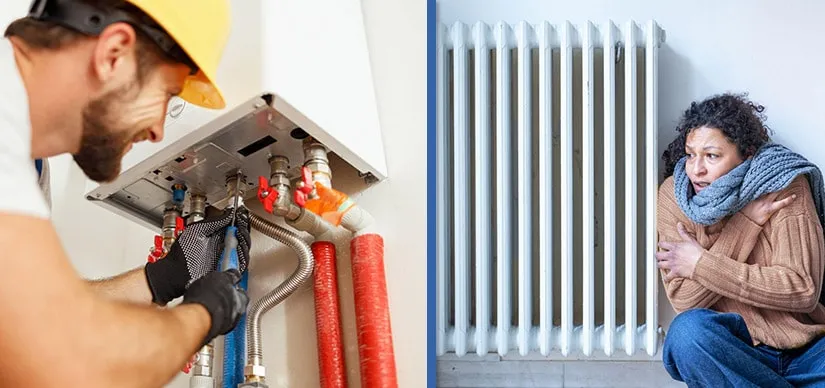
How to Prepare Your Water Heater For The Winter Months
In many areas of the country, it entails pulling out the covers and turning up the heat. However, there may need to be some house maintenance done first in order to keep you and your family warm. To ensure that your water heater lasts the entire season, you should especially get it ready for the coming cold water and get your water heater serviced by the best Water Heater Installation services in San Diego. Whether covering up their air conditioner, getting their furnace serviced, ensuring their attic has adequate insulation or putting snow tires on their car, the residents have a yearly ritual of getting ready for the harsh winter months. You really should respect the additional systems and work that need to be completed in your home, nonetheless.Lower the water heater temperature to 120°FAlthough some manufacturers set the water heater's thermostat at 140 degrees Fahrenheit, most homes only need 120 degrees to wash dishes, do laundry, and take showers. Without affecting your experience of hot water, lowering the temperature reduces energy use, lowers monthly costs, and decreases mineral development and corrosion in the water heater and pipes. This lower temperature setting aids in avoiding unintentional burns as well. Testing the temperature before and after adjusting is always a good idea, regardless of the sort of water heater you have.You'll require:Thermometer to measure the temperature of the water (a regular at-home medical or meat thermometer will work).A sticker or other means of marking the thermostat's setting.Check the owner's handbook of your water heater for instructions on how to adjust the thermostat before you begin or get the best services from Water Heater Repair in San Diego. On gas storage water heaters, the thermostat dial is often located at the bottom of the tank; on electric water heaters, it could be hidden behind a panel. Some systems come with an intuitive digital gauge.Examine your pipes.Traditional water heaters use insulation to help them heat water more effectively and maintain the proper temperature. However, both conventional and tankless water heaters need pipelines to transport water, which can dramatically reduce the temperature of the water, particularly in cold weather. The easy answer? Make careful you insulate your water heater and your pipes if you have a tanked system, but only the pipes if you have a tankless kind. When the temperature falls below thirty degrees, insulating the pipes helps prevent water from freezing. A basic pipe sleeve may frequently prevent pipes from freezing, despite the fact that it sounds complicated.Using a tank flush, remove accumulated sediment.When your hot water is on, popping sounds signify sediment buildup. You might connect a hose to the drain valve to rinse out the sediment, which may be a buildup of sand or soil. Fix the hose's end to the valve and place the other end so that the water drains outdoors. Restart the water supply to agitate and drain off the sediment. Up till the water flows clear, keep flushing it. Or, for $59*, schedule a service call, and our plumber provides services of Water Heater Repair in San Diego will flush the tank.Inspect the locationWhile we don't propose moving your water heater about, we do advise double-checking its location. Specifically, is it in a heated area of your house? Numerous water heaters have been observed in chilly garages, drafty basements, and even outside storage sheds or closets. This could work in areas with mild winters and summers. However, they certainly aren't the ideal places if your region ever encounters colder weather. Alternatively, be sure to add more insulation to the heater and the pipes, or have your water heater built in a warm area of your house or workplace.Clean it UpImagine never giving a glass a good wash and rinse. Even if you continue to use it, silt and accumulation will eventually form. That is, after all, what occurs in your water tank! Minerals found in water naturally might lead to silt accumulation. This sediment may be difficult on your tank and can decrease its efficiency, costing you more money each month on your energy bill. Water Heater Repair services in San Diego may be a helping hand for you to maintain your water heater. All you have to do is switch off your water heater, let it cool, connect a hose to the drain valve, and locate a location to let the water drain, like a pail or outside in the yard.Check the pressure release valve.It's a real pressure release valve for a water tank. Since winter is a season for burst pipes, it's a good idea to include this on your winter water heater checklist as it prevents your water tank from breaking. When you open it, you should hear water or a slight hiss. If you don't, a replacement must be made right away.Maintain Insulation in the TankAdditionally, if you want to get insulation for your water heater then get the best services from Water Heater Repair in San Diego. By surrounding yours with foil blankets, you can insulate it. Even though this is a straightforward task, you may save a lot of money on your heating expenses by using them, which are often obtainable at most hardware stores.Insulating older tanksOlder tanks just aren't as efficient as modern tanks, and occasionally they're not as good at holding heat. It becomes increasingly tougher when the cold weather strikes. For your tank, you may buy fiberglass insulation "blankets" so that it stays warm and cozy and your morning shower is not compromised. Ensure that the blanket is not near the flue duct. If you reside in a home where pipes are vulnerable to freezing, it's a good idea to cover any exposed pipes with pipe insulation.To ensure a clear oxygen supply and exhaust, vent your system.Clear vents and unhindered exhausts are necessary for the water heater's effective oxygen intake and CO2 discharge. If the heater doesn't already have metal mesh shields or covers, ask our plumber at water heater installation San Diego to install them. Also, clear out any obstructions brought on by leaves, dust, dirt, or animals.Place the hot water heater where it belongs.The greatest choice in colder climates is for your plumber to put tanks somewhere warm inside that will lessen the effects of chilly external temps.Examine the anode rod.Sediment buildup in your tank and the anode rod go hand in hand. Its function is to gather any corrosive substances in the water that could erode away at the tank liner. Consider it as a magnet that draws such materials away from the tank's edges. An anode rod is subjected to corrosive elements constantly, which wears it down over time. Tankless Water Heater Repair services in San Diego help you to keep your water heater tested and serviced periodically by a professional if it is older than two to three years. It will be replaced if it is less than 1/2 inch thick, has missing sections, or is covered in calcium.For sustained hot water efficiency, and safety, and to extend the lifespan of your water heater, then the expert from the Water Heater Installation company in San Diego. Before the winter weather arrives, you should do a plumbing check and include a water heater servicing on the list.
