Is Your Water Heater Leaking From The Bottom? Here's What You Need to Do
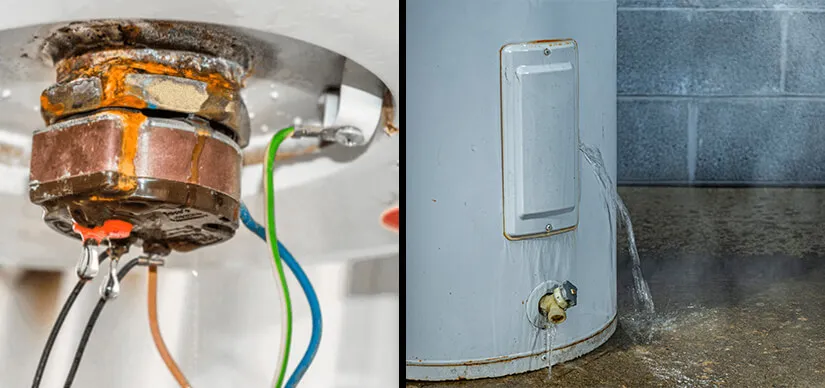
Water pooling underneath your water heater is never something to ignore. Depending on the cause, a bottom leak can mean anything from a simple valve fix to a tank that needs to be replaced entirely. Here's how to tell what's going on and what to do next.
Tank Corrosion or Failure
If the leak is coming from the tank itself, it's usually the result of internal corrosion that has eaten through the steel over time. This is not repairable. Once a tank starts leaking from a corroded seam or the bottom shell, the unit needs to be replaced.
A Leaking Drain Valve
The drain valve near the bottom of the tank is used to flush sediment, and it's a common source of leaks that are often repairable. A loose connection, worn washer, or valve that wasn't fully closed after maintenance can all cause dripping that looks like a tank leak but isn't.
Condensation vs. an Actual Leak
On cold days, condensation can form on a gas water heater's flue or tank as combustion byproducts cool, and this moisture can drip down and pool at the base, mimicking a leak. If the water heater was recently installed, refilled, or is sitting near a cold water line, check whether the moisture stops once the unit has been running for a while before assuming it's a true leak.
Immediate Safety Steps
- Shut off the power or gas – Switch off the circuit breaker for electric units, or turn the gas control valve to "off" for gas units.
- Shut off the water supply – Close the cold water shutoff valve on top of the unit to stop feeding the tank.
- Contain the water – Use towels or a shallow pan to limit water damage to floors and nearby items while you arrange service.
When It's an Emergency
Treat it as an emergency if you notice a large volume of water, a burning smell, popping/hissing sounds from the tank, or if the leak is paired with no hot water at all — these can indicate the tank is failing under pressure. In these cases, shut off power/gas and water immediately and call for emergency service.
Conclusion
A leak from the bottom of your water heater is worth having inspected quickly, even if it looks minor. Our technicians can determine whether it's a repairable valve issue or a tank that needs replacing, and help you avoid water damage in the meantime. See our guide on fixing water heater leaks, or schedule a water heater inspection today.
FAQs
Q1. Can a leaking water heater be repaired, or does it always need replacing?
It depends on the source. A leaking drain valve or loose fitting can often be repaired, but a leak from the tank itself due to internal corrosion means the unit needs to be replaced.
Q2. Is it safe to keep using a water heater that's leaking?
No. Shut off the power/gas and water supply and have it inspected before using it again, especially if you notice a large amount of water or unusual sounds.
Q3. How can I tell if it's condensation and not a real leak?
Condensation typically appears after the unit has just started running or after a fresh fill, and it tends to dry up once the tank reaches a steady temperature. A true leak will continue or worsen over time.
Category
Recent Posts
 5 Reasons Your Water Heater Isn’t Working and How San Diego Experts Can Help