Tank vs.Tankless: Choosing the Right Water Heater and Installation Tips
Understanding the Difference Between : Tank vs. Tankless Water Heaters
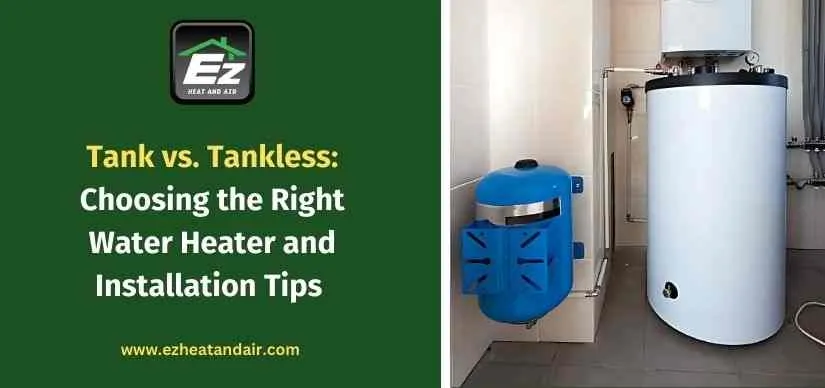
Traditional Tank Water Heaters
- Less costly upfront
- Easier to install
- Suitable for high-demand households
- Energy loss due to standby losses
- Inherent limitation in hot water supply
- Space-consuming
Tankless Water Heaters
- Energy-efficient (saves energy bills by 20–30 percent)
- Unlimited hot water supply
- Small; thereby saving space
- Longer life, which is greater than 20 years, compared to tank heaters that usually last for around 10-15 years
- More expensive on-the-spot
- Alterations in installation could be necessary with the use of a tankless water heater (an upgrade in gas or electrical lines)
- Delayed hot water delivery in some instances
Tankless water heater installation: What you should know
- Home Assessment: Choose the correct size determined from water usage and household size.
- Gas or Electric: Gas units provide better flow rate; electric units are easier to install.
- Upgrade plumbing and electrical: The gas lines or electrical circuits of some houses needed upgrading to suit the heater.
- Proper Installation: A qualified plumber must see to it that all installation procedures conform to local statutes and protect the manufacturer's warranty from being declared void.
Repairing Tankless Water Heaters: Routine Issues and Repairs
- Mineral Buildup
Hard water increases the scale buildup, which lowers efficiency. Flush it with vinegar or a descaling agent to remove deposits. - Ignition Failure
If the water heater won’t start, check the gas supply, venting, and burner components. If the problem persists, professional help might be needed. - Cold Water Sandwich Effect
This is when a sudden burst of cold water jolts someone after hot water. Proper setup of a recirculating pump can eliminate this problem. - Overloaded System
Using multiple hot water outlets at the same time can overload the heater. Possibly the answer to the problem is upgrading to a larger unit. - Error Codes
Tankless units will show codes for problems like blocked vents, and faulty sensors, and so forth. Check the manual or seek professional assistance.
Selecting the correct water heater for the residential water heating system
- Household Size: A tankless water heater may be particularly useful for large families that need an endless flow of hot water.
- Your Budget: If upfront costs are of serious concern, a conventional tank might be cheaper.
- Energy Efficiency: Long-term savings investment favors tankless water heating.
- Space Contemplation: Tankless units favor small-home or apartment applications because they are compact and space-friendly.
- Installation Complexity: In the cases when your home requires extensive plumbing upgrades, installation costs may be higher.
Conclusion
FAQs
Q1. How much does the tankless water heater installer charge?
The cost for installing a tankless water heater typically ranges from $1,700 to $5,000 when done by a licensed and certified installer. Such costs depend on the type of model being used, its source of power, and any additional work required in the house.
Q2. How often should maintenance of tankless heaters be done?
We recommend doing maintenance yearly to avoid mineral buildup affecting the heater's efficiency. If you live in a hard-water region, you might want to descale it more often.
Q3. Is the tankless water heater worth it?
Definitely! With energy savings, a longer life span, and the endless provision of hot water, it is a great investment for any household.
Q4. Can I install my own tankless water heater?
You may do so, but we advise hiring a professional to install it to ensure compliance with local codes, safety regulations, and to avoid any issues with your warranty.
Q5. What are the signs that a tankless hot water heater needs repair?
Some signals that repair may be required include inconsistent water temperature, low water pressure, flashing error codes, or no hot water at all. If you observe one or more of these issues, seek professional assistance for repair without delay.