The Benefits of Regular HVAC System Inspections
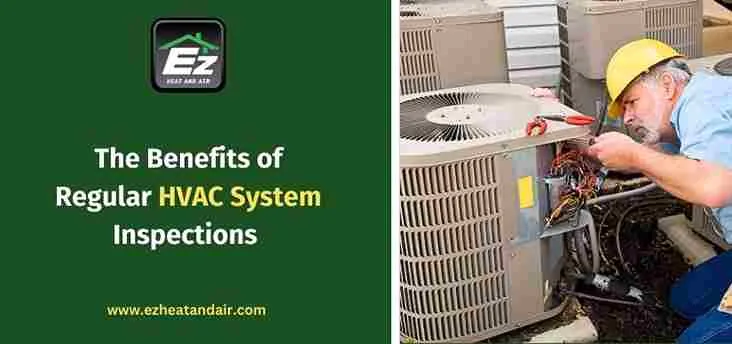
Routine HVAC inspections let a technician catch small issues while they're still cheap and easy to fix, which helps your system run more efficiently and last longer. Here's what a regular inspection schedule actually gets you.
Catching Small Problems Before They Become Expensive
A worn belt, a loose electrical connection, or a slightly low refrigerant charge are all inexpensive to address on their own, but left unchecked they can lead to compressor damage, motor failure, or a full system breakdown. Regular inspections give a technician the chance to spot these issues while they're still minor.
Maintaining Energy Efficiency
Dirty coils, clogged filters, and low refrigerant all make your system work harder to reach the same temperature, which shows up as higher energy bills. An inspection typically includes cleaning key components and checking refrigerant levels, helping keep your system running at the efficiency it was designed for.
Extending the Lifespan of Your Equipment
HVAC systems that are properly maintained tend to last longer than systems that only get attention when something breaks. Reducing strain on the compressor, motor, and other major components through regular inspections can help you get the most years out of your investment.
Safety Checks: Carbon Monoxide and Electrical Connections
- Carbon Monoxide Safety – On gas furnaces, technicians check the heat exchanger for cracks that could allow carbon monoxide into your home.
- Electrical Connections – Loose or corroded wiring is a common cause of both breakdowns and fire risk, and is checked and tightened during inspections.
- Gas Line and Venting Checks – Confirm combustion byproducts are venting safely to the outside.
Conclusion
Scheduling regular HVAC inspections is one of the simplest ways to protect your investment, keep energy bills in check, and make sure your system is operating safely. Pair inspections with our AC tune-up service for complete seasonal coverage, or contact us to get on a maintenance schedule.
FAQs
Q1. How often should my HVAC system be inspected?
Most technicians recommend an inspection at least twice a year, once before cooling season and once before heating season.
Q2. What does a typical HVAC inspection include?
A thorough inspection usually covers filter condition, refrigerant levels, electrical connections, thermostat calibration, and a safety check of the heat exchanger and venting on gas systems.
Q3. Can regular inspections really lower my energy bill?
Yes. Dirty coils, clogged filters, and low refrigerant all reduce efficiency, and addressing them during an inspection helps your system use less energy to maintain the same comfort level.
Category