How Tank and Tankless Water Heaters Work
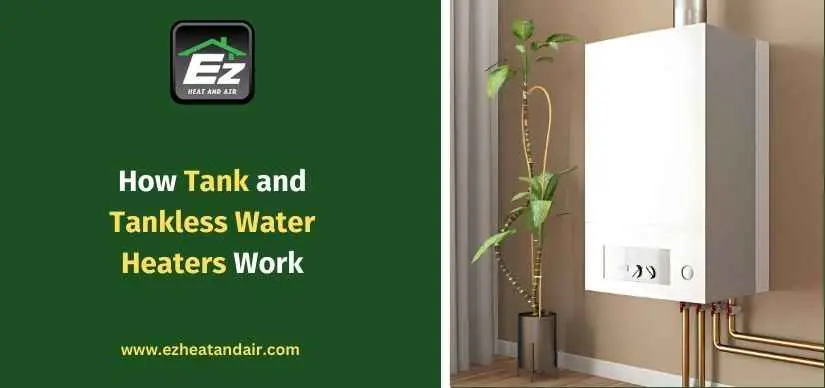
Tank water heaters store and continuously reheat a large reservoir of hot water, while tankless water heaters heat water only as it flows through the unit — that single difference is what drives their gap in efficiency, size, and upfront cost.
How a Tank Water Heater Works
A tank water heater keeps anywhere from 30 to 80 gallons of water hot inside an insulated storage tank at all times. A gas burner or electric heating element cycles on and off to keep the water at your thermostat setting, so hot water is ready the moment you open a faucet.
Because the tank holds a finite supply, heavy use — back-to-back showers, a load of laundry, and the dishwasher all at once — can draw the tank down faster than it reheats, leaving you with a cold-water surprise until it recovers.
How a Tankless Water Heater Works
A tankless (on-demand) unit has no storage reservoir. When you open a hot water tap, a flow sensor activates a gas burner or electric element that heats water as it passes through a heat exchanger, delivering hot water on demand for as long as you need it.
Because there's no standing tank to keep hot around the clock, a tankless unit only uses energy while water is actually running.
Standby Heat Loss and Energy Efficiency
Tank units lose some heat through the tank walls between uses, called standby heat loss, which the burner or element has to make up by cycling periodically even when no one is using hot water. Tankless units avoid this loss entirely since they don't store hot water, which is why they're generally more energy efficient over time.
Upfront Cost vs. Long-Term Savings
Tank water heaters typically cost less to purchase and install, making them the more budget-friendly choice up front. Tankless units cost more initially — the unit itself and installation, which sometimes requires upgraded gas lines or electrical service — but can pay some of that back over the years through lower standby losses and a longer service life.
Which Option Fits Your Home?
The right choice depends on your household's hot water demand, available space, and whether your home's gas or electrical service can support a tankless unit's higher flow-rate requirements. A licensed technician can walk through your specific home and usage pattern with you rather than relying on generic rules of thumb.
Conclusion
Both tank and tankless water heaters can reliably serve a San Diego, Orange County, or Riverside home — the better fit comes down to your household's hot water needs, budget, and available installation space.
EZ Heat and Air installs and repairs both tank and tankless systems. See our guide to choosing the right water heater or explore water heater repair & installation in Orange County, or contact us for a free estimate.
FAQs
Is a tankless water heater always the better choice?
Not necessarily. Tankless units are more energy efficient and take up less space, but they cost more upfront. A tank unit can be the more practical choice for homes with lower hot water demand or a tighter installation budget.
Can I replace a tank water heater with a tankless one in the same spot?
Sometimes, but a switch often requires changes to gas lines, venting, or electrical service to meet the tankless unit's requirements. A licensed technician can assess your home before installation.
How long do tank and tankless water heaters typically last?
Tankless units generally have a longer service life than tank units, though actual lifespan depends heavily on water quality, usage, and maintenance for either type.
Category
Recent Posts
 5 Reasons Your Water Heater Isn’t Working and How San Diego Experts Can Help